
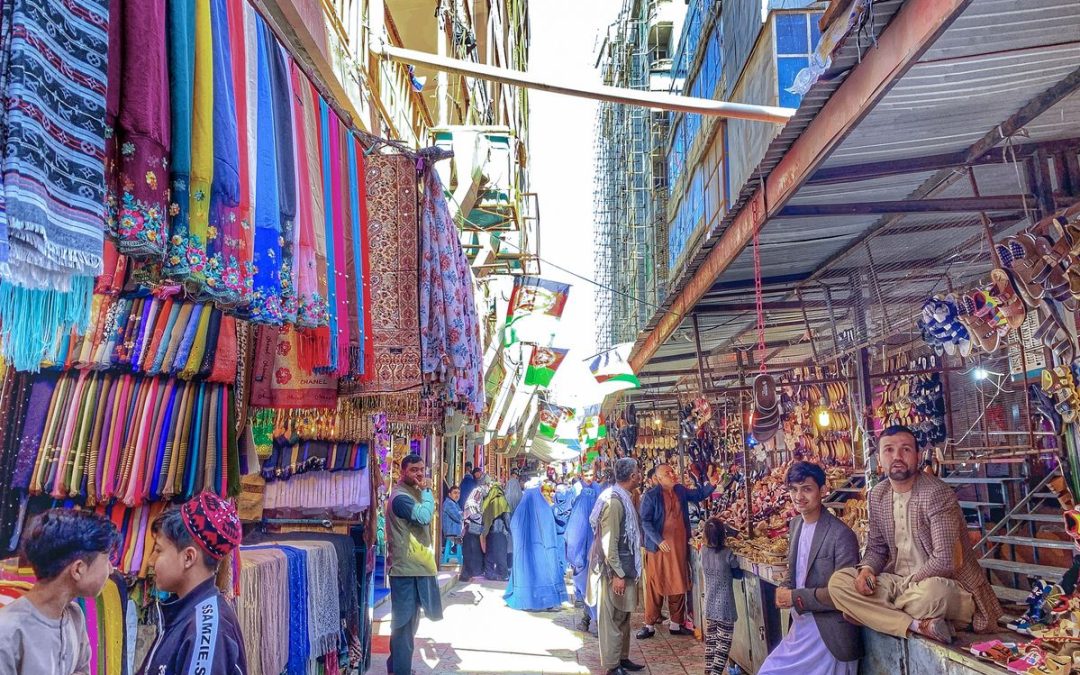
Afghanistan is a land of breathtaking mountains, ancient cities, vibrant traditions, and warm hospitality. While many people know the country because of its history, Afghanistan offers visitors a much deeper story one filled with rich culture, delicious cuisine, centuries-old traditions, and resilient communities.
Whether you are planning a future trip or simply exploring the country's heritage, understanding the Afghan lifestyle provides a unique glimpse into one of Central Asia's most fascinating destinations.
Daily Life in Afghanistan
Life in Afghanistan revolves around family, community, and tradition. Most people begin their day early, with daily routines often influenced by work, education, farming, local businesses, and religious practices.
In major cities like Kabul, Herat, and Mazar Sharif, modern life blends with traditional customs. You'll find busy markets, universities, restaurants, and shopping areas alongside historic architecture and centuries old bazaars. In rural villages, life remains closely connected to agriculture and local traditions that have been passed down through generations.
Afghan Hospitality: A Tradition Like No Other
One of Afghanistan's greatest treasures is its hospitality. Guests are treated with exceptional respect and generosity. It is common for visitors to be welcomed with green tea, fresh fruits, nuts, and homemade Afghan meals.
Hospitality is deeply rooted in Afghan culture, making travelers feel welcomed and appreciated wherever they go.
Traditional Afghan Food
Afghan cuisine is famous for its rich flavors, aromatic spices, and fresh ingredients. Every region has its own specialties, but several dishes are enjoyed throughout the country.
Some of the most popular Afghan foods include:
- Kabuli Palaw (Afghanistan's national rice dish)
- Mantu (Steamed dumplings filled with meat)
- Ashak (Leek-filled dumplings)
- Various grilled kebabs
- Fresh naan bread
- Bolani (Stuffed flatbread)
- Qorma (Traditional meat stew)
- Firni (Creamy Afghan dessert)
Tea is an important part of Afghan culture and is commonly served during family gatherings and social visits.
Traditional Clothing
Traditional Afghan clothing reflects both beauty and practicality.
Men commonly wear the Perahan Tunban, often paired with a waistcoat or traditional cap. Women's traditional dresses feature colorful embroidery, beautiful fabrics, and handcrafted designs that showcase Afghanistan's diverse cultural heritage. Clothing styles vary across different provinces and ethnic communities.
Rich Cultural Heritage
Afghanistan has been a crossroads of civilizations for thousands of years. The country's culture reflects influences from Central Asia, South Asia, and the Middle East.
- Ancient architecture
- Historic mosques
- Traditional carpet weaving
- Handmade crafts
- Intricate embroidery
- Poetry and literature
- Traditional music and folk arts
Afghanistan is also the birthplace of the world-famous Persian poet Jalal ad-Din Rumi, whose works continue to inspire millions around the globe.
Famous Tourist Attractions
Although tourism remains limited today, Afghanistan is home to many incredible historical and natural attractions.
Some of the country's most famous places include:
- The Blue Mosque in Mazar-i-Sharif
- The ancient city of Herat
- Babur Gardens in Kabul
- Band-e Amir National Park
- The Wakhan Corridor
- The Minaret of Jam
- Bamiyan Valley
- Panjshir Valley
These destinations showcase Afghanistan's natural beauty and historical significance.
Festivals and Celebrations
Afghans celebrate many religious and cultural events throughout the year. Family gatherings, traditional foods, music, and community celebrations are central to these occasions.
Popular celebrations include:
- Eid al-Fitr
- Eid al-Adha
- Nowruz (celebrated in many communities)
- Family weddings
- Cultural festivals
Sports in Afghanistan
Sports play an important role in Afghan society.
Popular sports include:
- Buzkashi (the national sport)
- Cricket
- Football (Soccer)
- Volleyball
- Wrestling
Cricket has become especially popular over the past two decades, with Afghanistan gaining international recognition through its national team.
Shopping in Afghanistan
Traditional bazaars are among the best places to experience local culture. Visitors can shop for:
- Handmade Afghan carpets
- Precious gemstones
- Traditional clothing
- Dry fruits and nuts
- Saffron
- Copper crafts
- Jewelry
- Handmade pottery
These markets provide an authentic glimpse into everyday Afghan life.
Best Time to Visit Afghanistan
The most comfortable seasons for travel are spring (March to May) and autumn (September to November), when temperatures are generally mild and landscapes are especially beautiful.
Travel conditions and accessibility can vary significantly, so visitors should always check the latest travel advisories and local conditions before planning a trip.
Travel Tips
If you are considering visiting Afghanistan:
- Research current travel conditions before your trip.
- Respect local customs and traditions.
- Dress modestly.
- Learn a few basic Dari or Pashto greetings.
- Carry cash, as electronic payment options may be limited in many areas.
- Travel with trusted local guides when possible.
Frequently Asked Questions
Is Afghanistan rich in culture?
Yes. Afghanistan has one of the oldest cultural histories in Asia, with traditions that span thousands of years.
What food is Afghanistan famous for?
Kabuli Palaw, Mantu, Ashak, kebabs, Bolani, and traditional naan bread are among the country's most famous dishes.
What is the national sport of Afghanistan?
Buzkashi is Afghanistan's national sport and remains an important part of the country's cultural identity.
Is Afghanistan worth learning about?
Absolutely. Afghanistan offers a remarkable blend of history, culture, landscapes, architecture, and traditions that make it one of the most unique countries in the region.
Final Thoughts
Afghanistan is far more than headlines and history. It is a country of breathtaking landscapes, ancient civilizations, welcoming people, vibrant traditions, and unforgettable cultural experiences.
For travelers interested in history, culture, architecture, and authentic local experiences, learning about Afghanistan's lifestyle reveals a fascinating destination with countless stories waiting to be discovered.